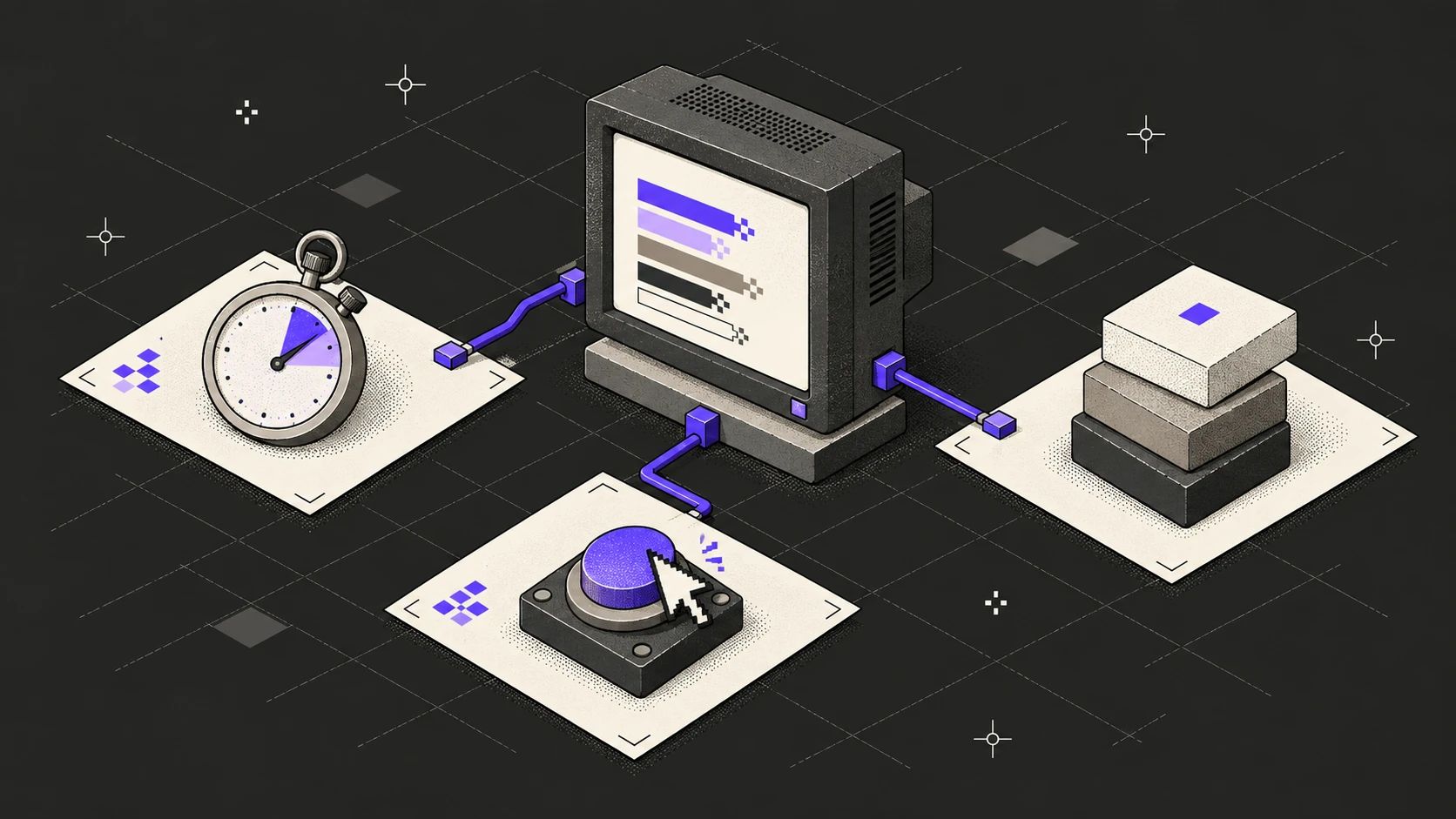
Does the agent harness really matter?
When a coding agent produced bad results, I used to blame the model first. A year later, I have seen that the harness, the way a model reads a repository, runs commands and manages context, matters just as much.


We wrote down what we tried.
Writing on design, technology and brands. Most pieces come with small demos you can try for yourself, not just read about.
10 articles
When a coding agent produced bad results, I used to blame the model first. A year later, I have seen that the harness, the way a model reads a repository, runs commands and manages context, matters just as much.



When a coding agent produced bad results, I used to blame the model first. A year later, I have seen that the harness, the way a model reads a repository, runs commands and manages context, matters just as much.
Most revision rounds come from questions nobody asked at the start, not from the design. We look at the questions a good brief must answer and see the open questions of an incomplete brief in a builder.

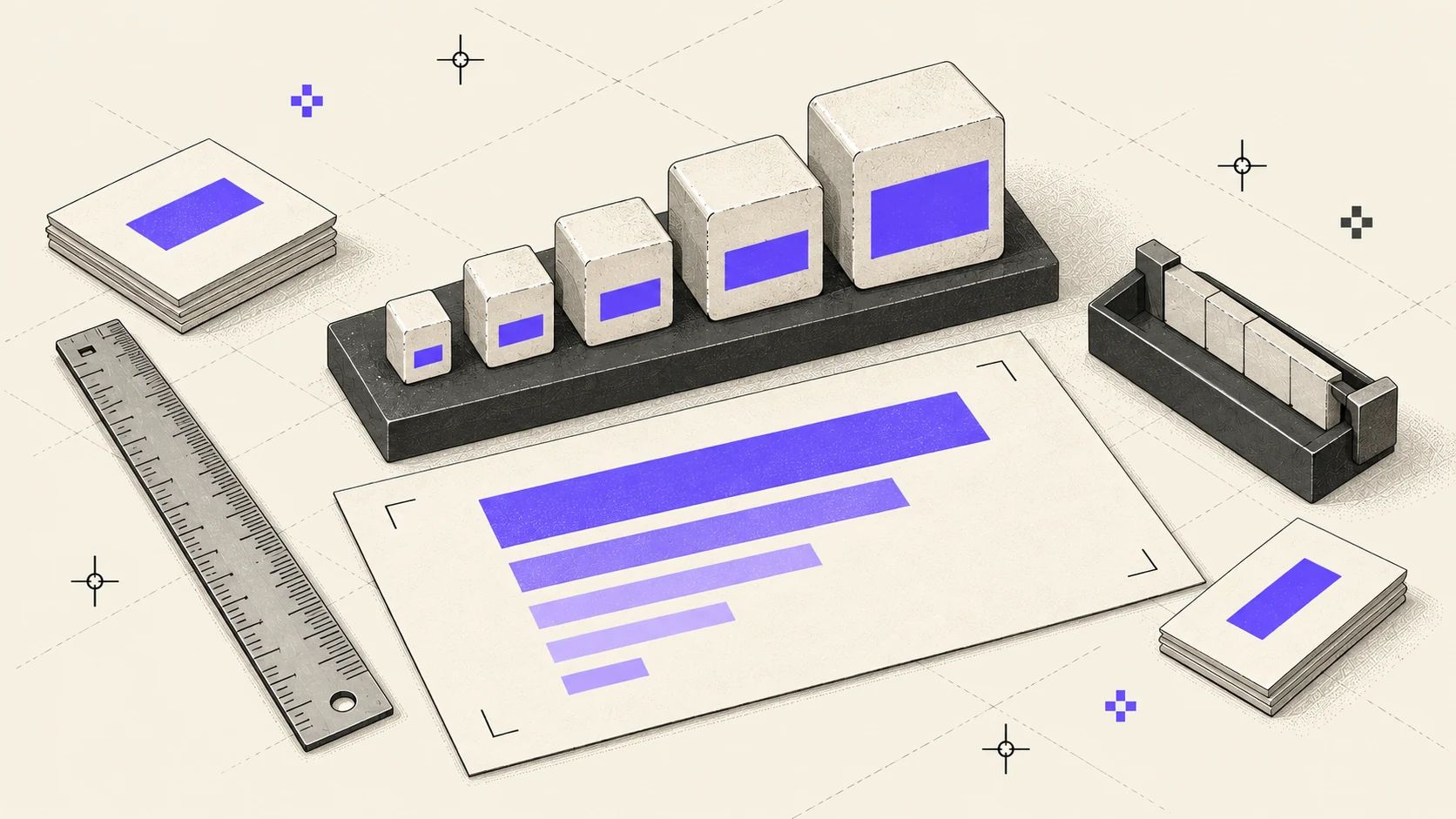
People do not read a page, they scan it. Either you decide which element is noticed first, or the page decides for you. We measure visual weight with the squint test and compare two layouts side by side.

The difference between headings comes from the ratio between them, not from sizes picked one by one. We explain how a type scale is built and test ratio, base size and line length in a playground.

People meet a brand in far more places than its logo. We break down the parts of an identity and show, in a playground, how a single decision spreads across every touchpoint.

Users don’t measure milliseconds, they feel them. We explain what LCP, INP and CLS mean on screen and built a demo so you can feel the delay yourself.

A social media design is seen inside the platform’s frame: a profile name on top, buttons below, a cropped preview on the profile. We explain it with a previewer where you can try one design in four formats.

Two interfaces can do the same job, yet one feels cheap and the other feels considered. Most of the difference is in the timing of motion. Try easing curves yourself.

83.9% of the web’s top one million home pages have low-contrast text. We tested our own brand color and share the result and how we fixed it.

In my talk at GDG DevFest Gaziantep, I explained why a free browser most people have never heard of was sold for $610 million. The answer has less to do with code than with how a company talks to its users.