Page flow
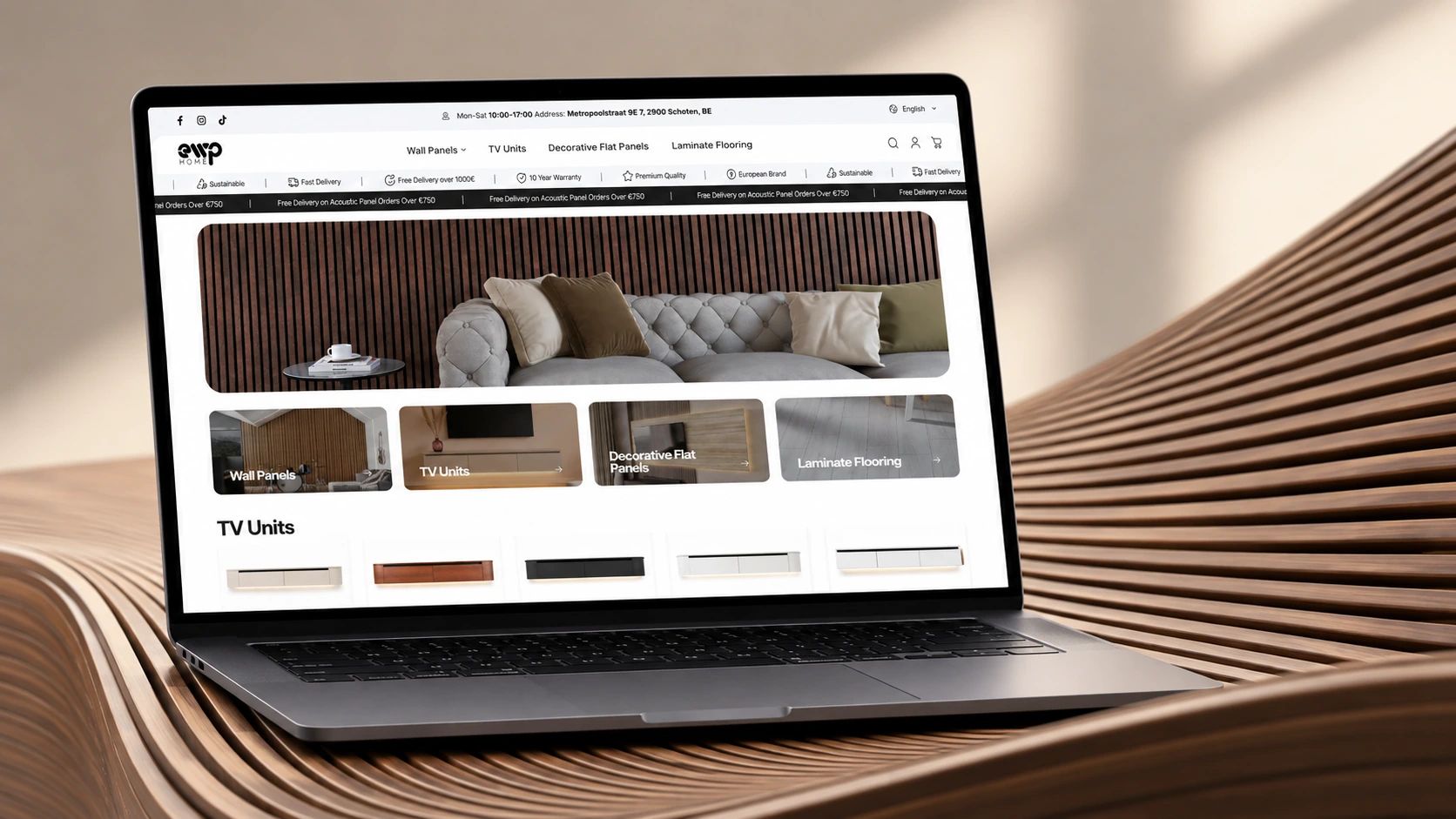
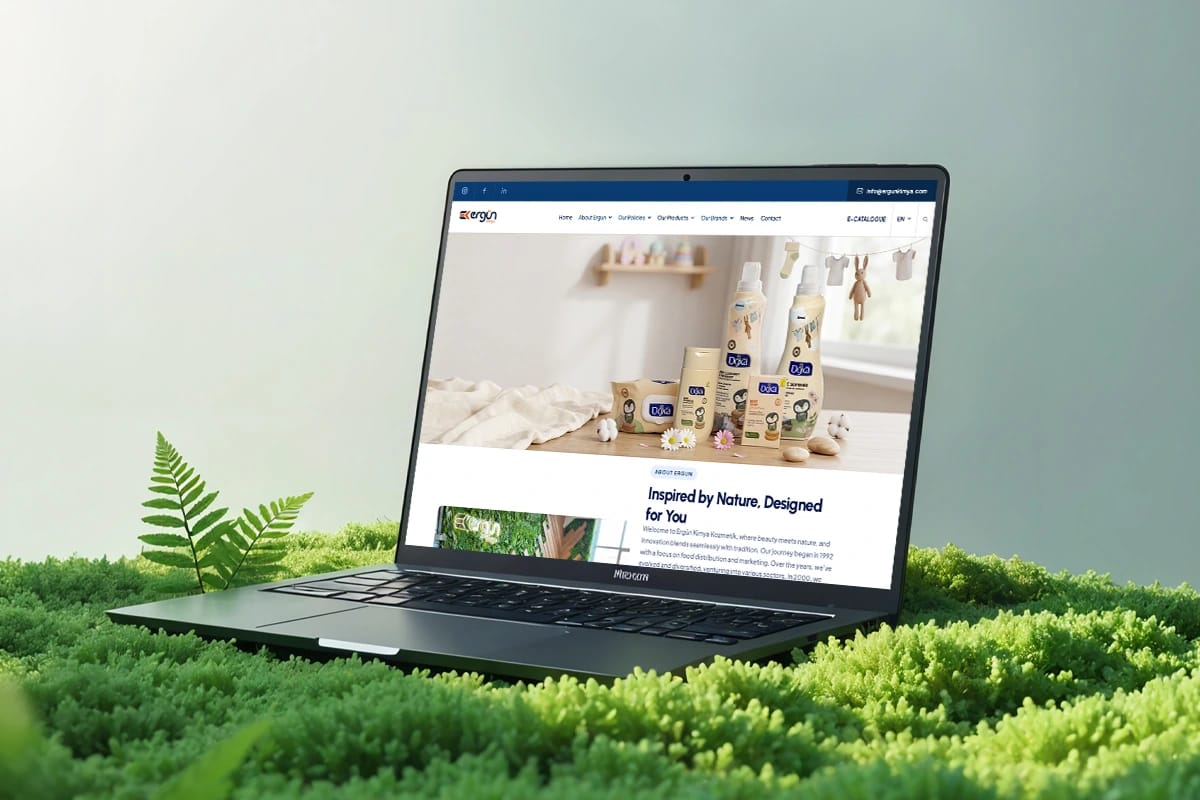
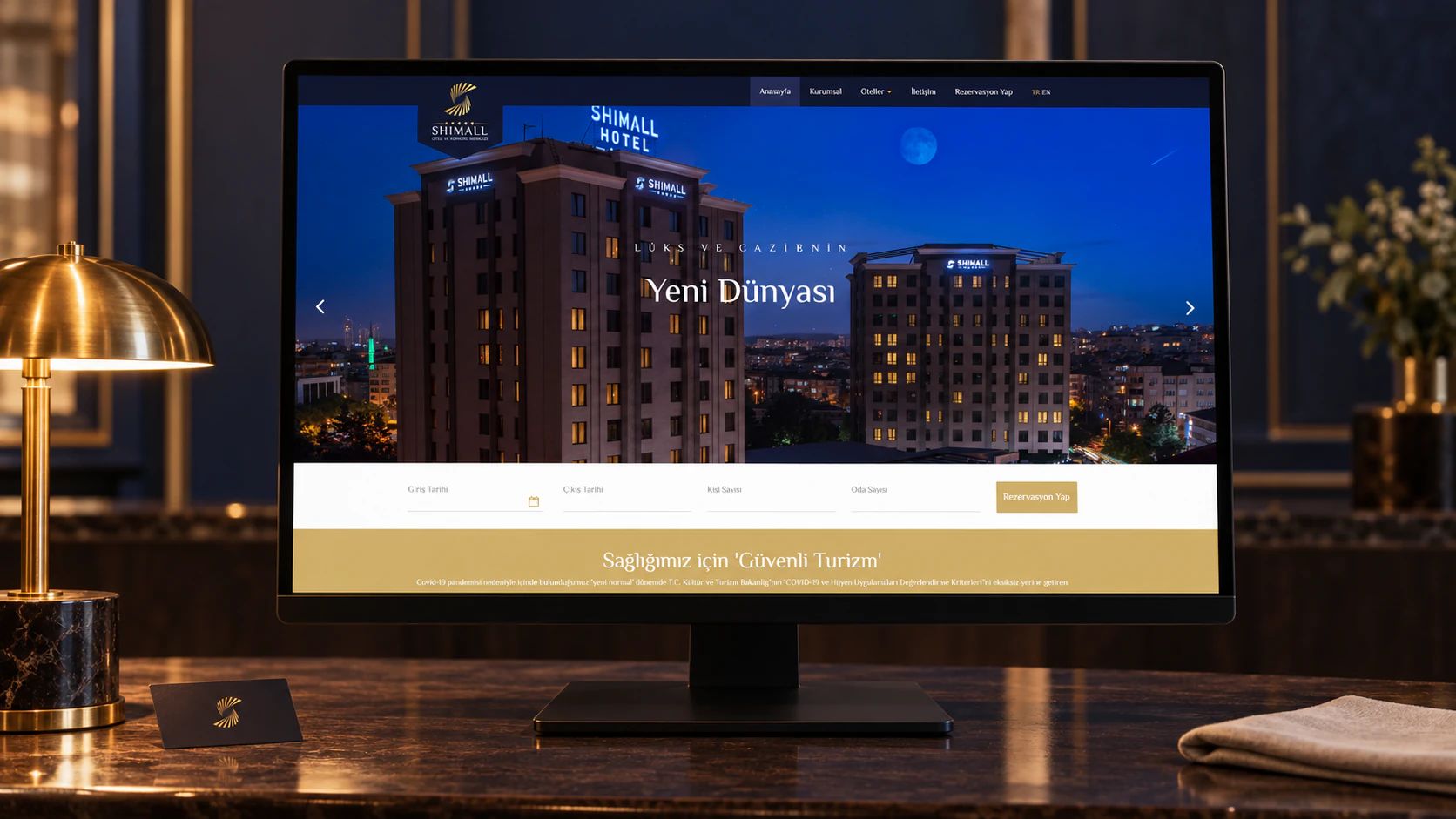
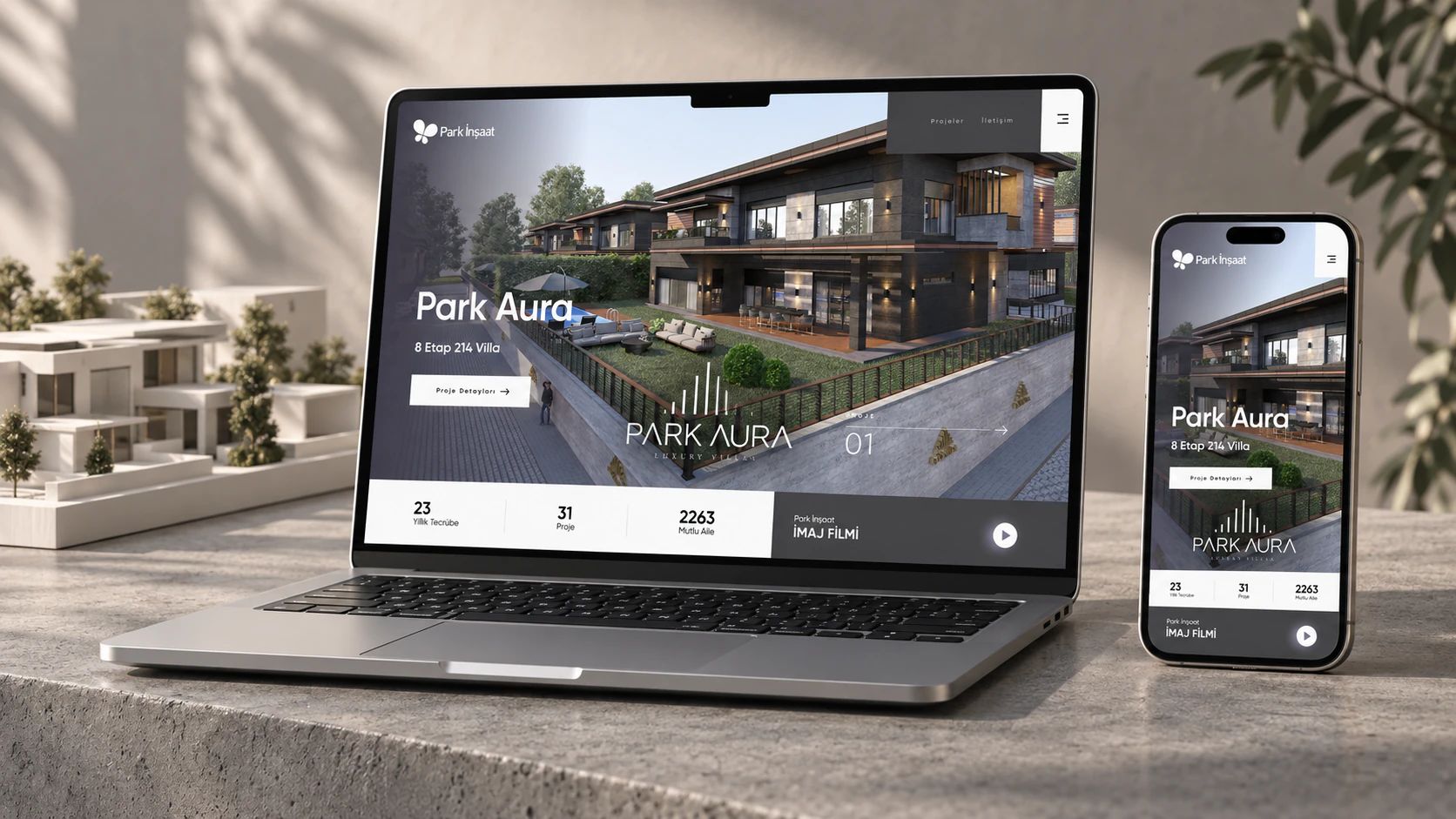
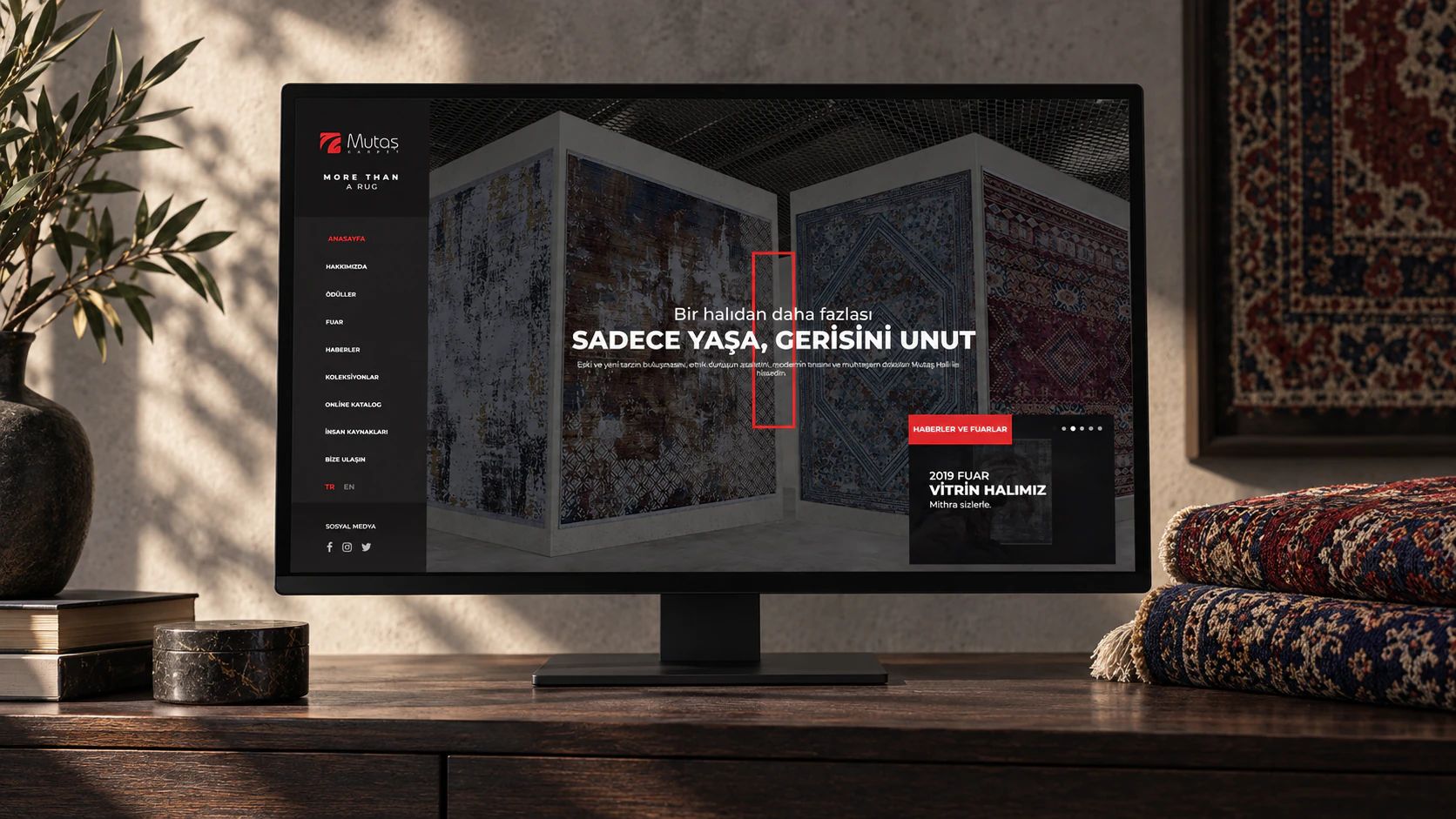
We order pages and the transitions between them by the path a visitor takes to the answer they’re looking for, and place the brand’s story along that path without interrupting it.
Page flow
We order pages and the transitions between them by the path a visitor takes to the answer they’re looking for, and place the brand’s story along that path without interrupting it.

Interface language
We derive typography, space, imagery, and color not from ready-made component patterns, but from how the identity should behave on screen.

Motion and transition
We design transitions and interaction feedback not to attract attention, but to show what has changed and where the next step is.

Content structure
We build page types and content components to leave room for new products, languages, and publications, so the reading order doesn’t come apart over time.
From the first weeks we work on a draft that can be clicked, scrolled, and filled with real content. This is where the speed of a transition, the weight of a headline on screen, and the simplicity of navigation are tested. That way design and development never have to be fitted to each other after the fact.
Yes. In that case we review the design together in terms of screen behavior, content structure, and technical requirements. We settle the open decisions at the start, so the intent isn’t lost during development.
Yes. We first look at which page types work and where people struggle. The problem usually gathers in a few sections, and we can start there without touching the rest of the site.
We decide by the team’s publishing habits and the server infrastructure. When needed we develop a custom admin panel based on PHP and Laravel or on TypeScript and React, and we also adapt open-source systems such as WordPress to publishing needs.
By the structure of the content, the intensity of interaction, and the team that will run the system. We work with React, Next.js, TanStack, and Astro on a JavaScript and TypeScript foundation, and we make the choice once these needs are clear.
No. We handle visual weight, font loading, keyboard navigation, and contrast together with the first interface decisions. We measure before launch and fix what we find without waiting for a separate correction phase.
New page types and content formats are added on the same component system. As the site grows, the design language and technical structure don’t have to be rebuilt, and we can keep working together as needs change.
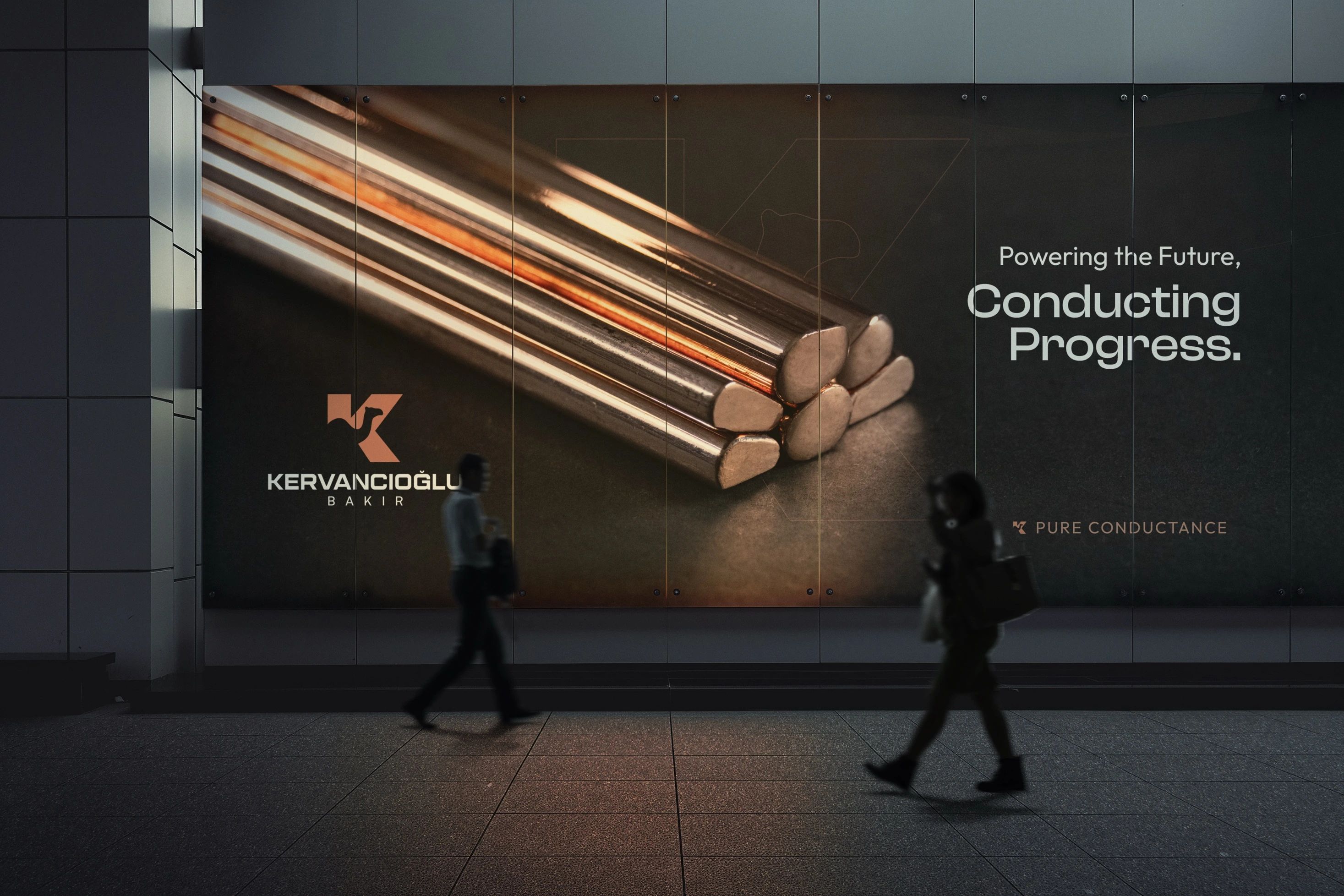
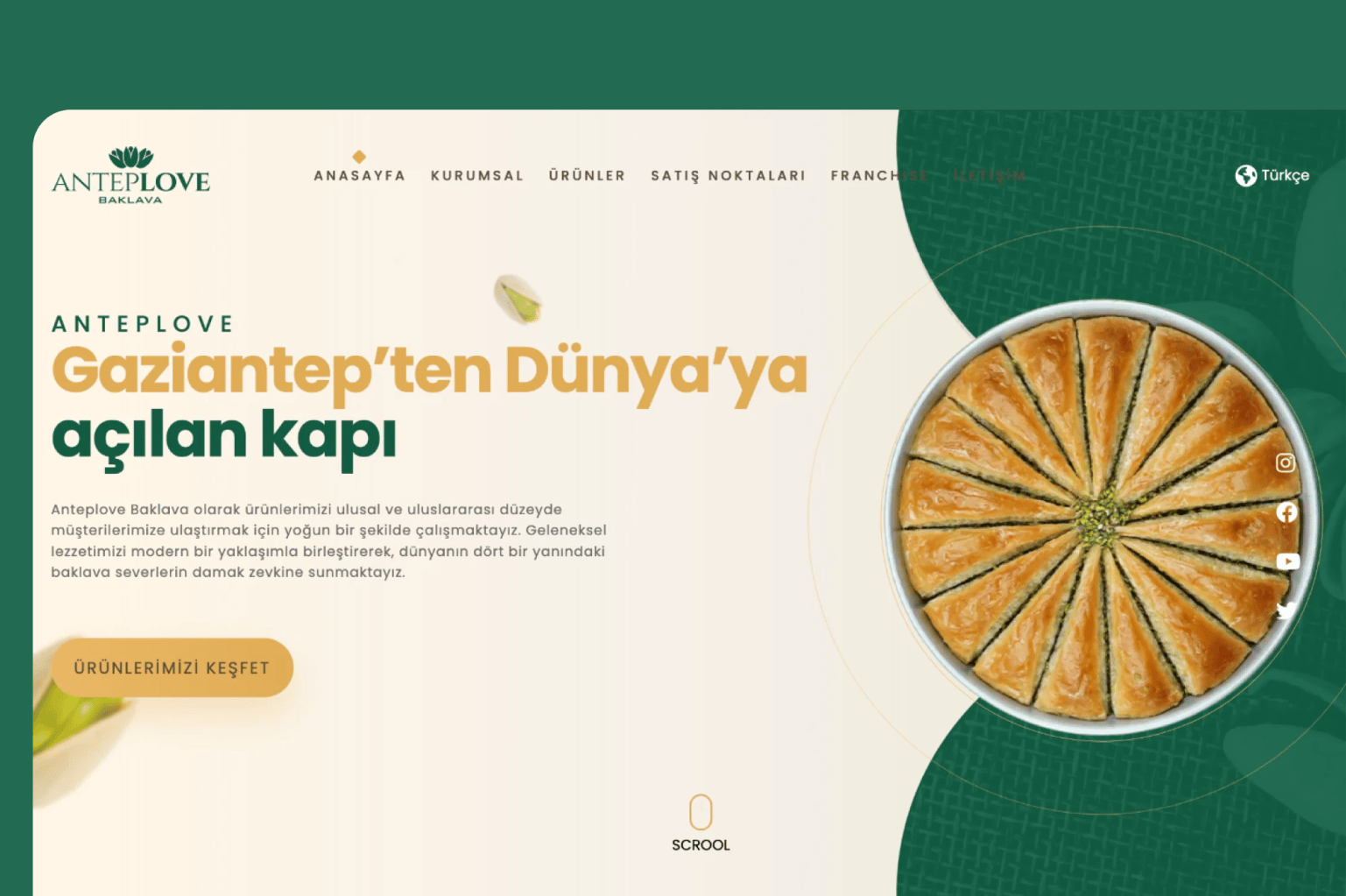
Yes. We build sites in two, three, or four languages for brands that sell abroad; the Anteplove and Kervancıoğlu Bakır sites are live in four languages. We set up each language’s address, title, and description separately, so the team can manage every language on its own from the panel.