When more than one screen uses the same data
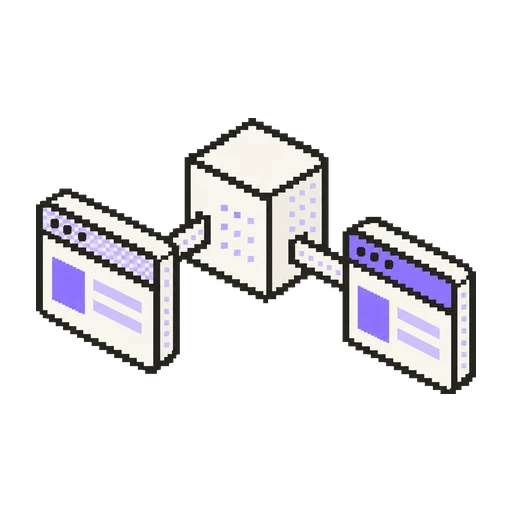
We gather business rules, permissions, and validations in a single backend, and develop services through which the website, the admin panel, and the mobile app all talk over the same API.
When more than one screen uses the same data
We gather business rules, permissions, and validations in a single backend, and develop services through which the website, the admin panel, and the mobile app all talk over the same API.

When data has scattered over the years
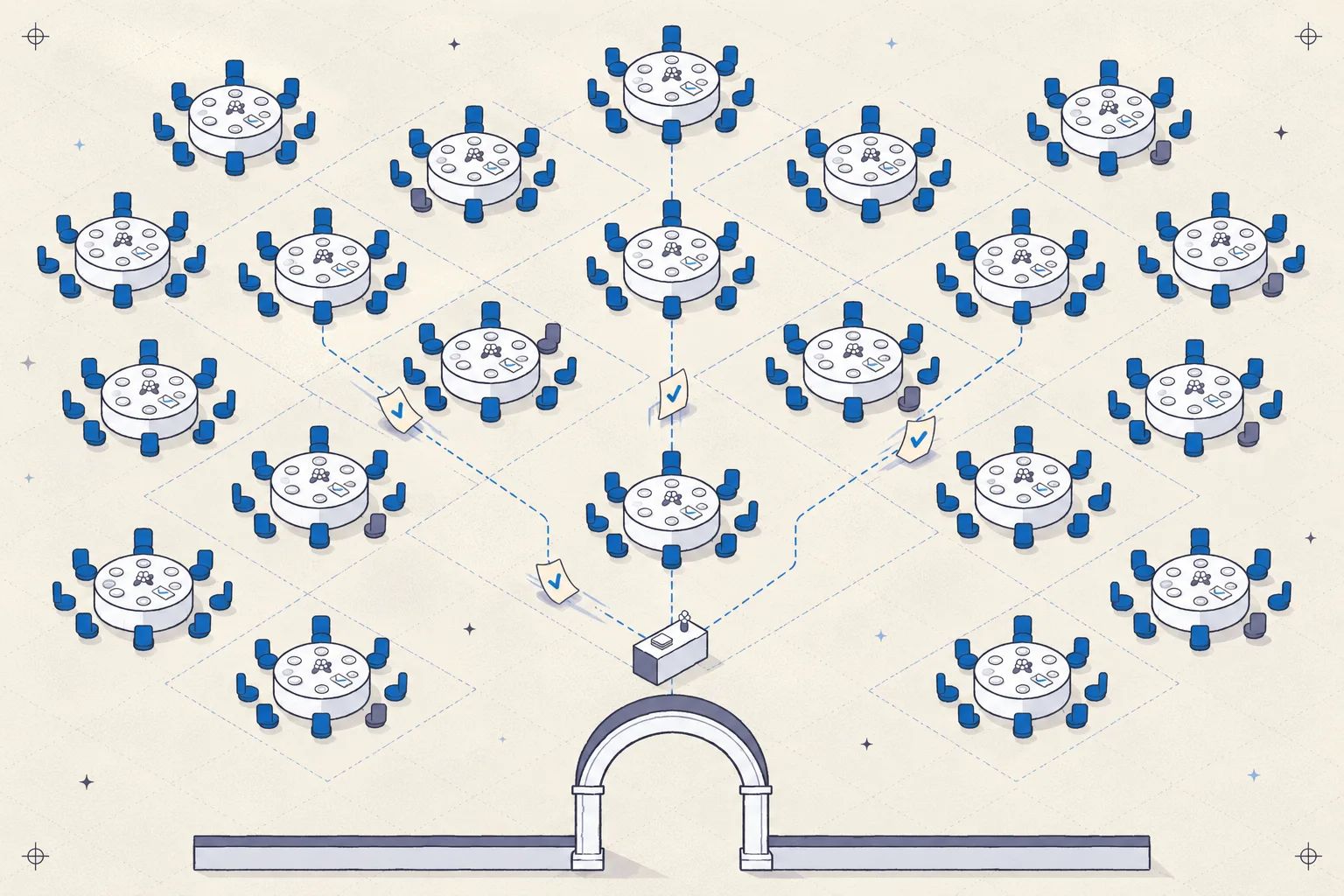
We rebuild tables, relationships, and record rules around the real structure of the business; we clean the data in the old system, and count and verify every record as we move it into the new structure.

When the same task is repeated by hand every day
We turn Excel and CSV imports, scheduled reports, and bulk updates into jobs that run in the background, with a flow that alerts the team when a step fails and resumes from where it stopped.
That is why we build the data model and the API around the business itself, not around a particular screen. When the website changes or a new mobile app is added, the backend isn’t rewritten from scratch; the new interface connects to the same services.
We mostly work with three foundations: Encore.dev on the TypeScript and Node.js side, Laravel on the PHP side, and Frappe Framework on the Python side. We choose based on your existing infrastructure, the shape of your business rules, and who will develop the system afterward.
Encore.dev makes it easier to define services, scheduled jobs, and queues in type-safe TypeScript code. Laravel, with its broad PHP ecosystem and widely available hosting options, suits applications that will be maintained for a long time. Frappe brings most of these structures ready-made for business applications where forms, roles, and approval steps carry the weight.
Yes. We first map the tables in the old structure along with duplicate and incomplete records, and decide together where each field belongs in the new structure. We test the migration on a copy first, and take it live after comparing record counts and sample records.
Yes. If your own team or another team is building the interface, we prepare the API the way they will use it and document every endpoint with sample requests.
Every job is set up to retry when it fails and to notify the team if it fails again. Because there is a record of which entry couldn’t be processed and why, nobody has to hunt for the problem from scratch; the job picks up where it left off.
If you’d like, it does. We plan security updates, new business rules, and the system’s growing load together at regular intervals.